Loot To Forge Skills Guide
Master the Q button: how weapon type and materials shape your skills, plus timing tips for every stage of the dungeon.
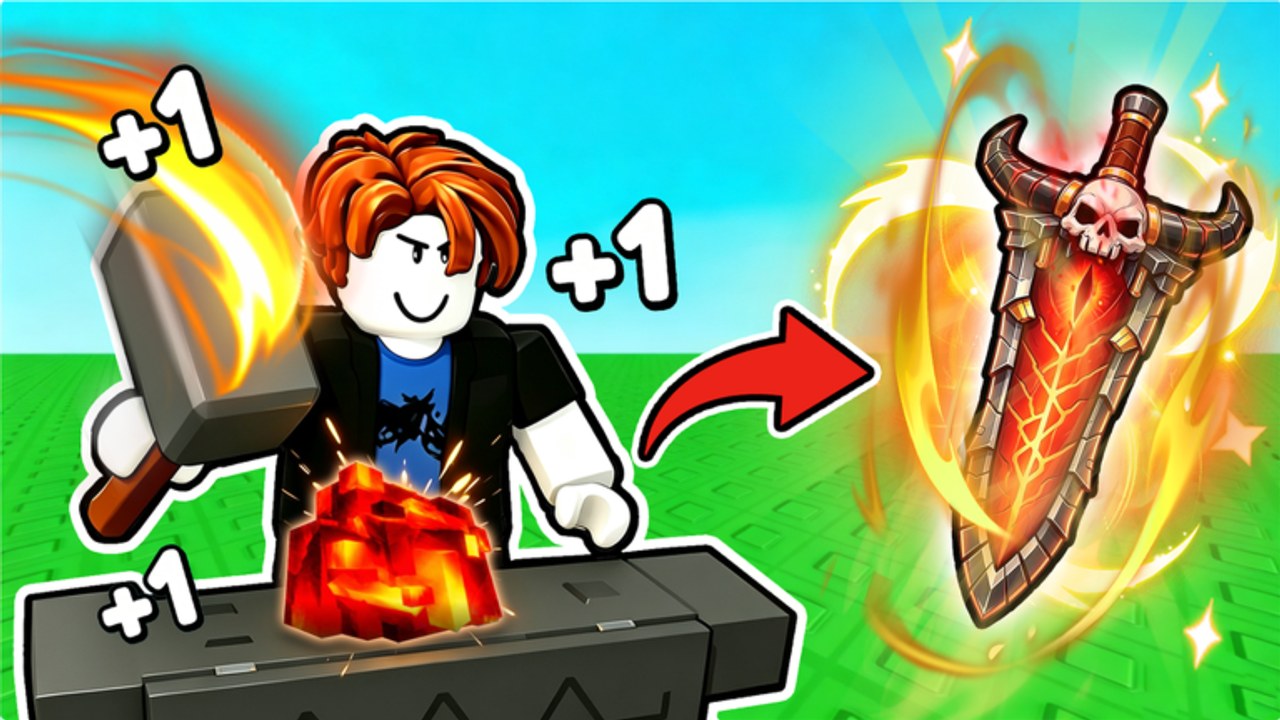
What skills are in +1 Loot To Forge
Skills in +1 Loot To Forge are tied to the Q hotkey. Your weapon type—Katana or Greatsword—and the materials you forge with determine which skill variant you get. Dungeon combat auto-attacks, so your job is movement, retreat calls, and pressing Q at the right moment.
If you have not yet chosen a weapon type, read the classes guide for Katana versus Greatsword identity. This page focuses purely on skill mechanics, variants, and timing.
How skill system works
Each weapon you forge comes with a Q skill that depends on two factors:
- Weapon type — Katana skills favor speed, mobility, and multi-hit pressure. Greatsword skills favor burst, chunk damage, and wider pressure.
- Materials — The ores you invest in the forge influence the skill variant. Higher rarity materials often unlock stronger or more versatile skill versions.
After every forge, read your new skill tooltip before entering the dungeon. A fresh Legendary Katana may behave differently from your previous Rare Katana even if both are “Katana.”
Q button basics
- Q activates your equipped weapon skill on a cooldown
- In the hub, Q works immediately on training dummies
- In the dungeon, Q triggers during auto-attack combat
- Cooldowns vary by skill type—burst skills tend to have longer cooldowns, mobility skills tend to reset faster
- You cannot queue Q during the cooldown animation; timing matters more than spam
Katana skill variants
Katana builds reward active play. Faster attack cadence means more chances to weave Q skills while auto-attacks chip packs. Common Katana skill themes include:
Mobility and evasion
Some Katana skills favor repositioning—dashes, quick slashes that move you forward, or short-range blinks. These excel when:
- You want to avoid telegraphed enemy attacks
- Positioning matters more than raw damage
- You are clearing faster packs and want to keep momentum
Multi-hit pressure
Other Katana skills fire multiple slashes in rapid succession. These work well when:
- Enemies come in small groups rather than single heavy targets
- You want to maximize DPS during auto-attack downtime
- Boss gates or elites have visible wind-up animations
Short-cooldown burst
Katana skills with short cooldowns let you press Q more often. Use these for:
- Sustained clears where Greatsword’s longer downtime would cost you
- Finishing off packs that auto-attacks almost kill
- Building momentum through longer dungeon stretches
Greatsword skill variants
Greatsword leans into heavier hits. When enemy Power spikes hard between stages, big swings help you stay inside the “four hits or leave” rule. Common Greatsword skill themes include:
Heavy burst
High-damage single strikes that chunk enemy health bars. These excel when:
- Boss gates or dense elite packs need fast elimination
- You are pushing a stage wall where auto-attacks feel slow
- You want one clean Q to open followed by auto-attack cleanup
Wide pressure / cleave
Attacks that hit multiple enemies in an arc or radius. Useful when:
- Dungeon packs cluster together
- You want to trigger AoE drops faster
- Frost Tower rooms concentrate enemies in smaller spaces
Longer-cooldown power spikes
Greatsword skills often have bigger impact but longer downtime. Plan around:
- Saving Q for packs that actually need the burst
- Not pressing Q casually when a harder room is coming
- Rebuilding cooldown trust during auto-attack stretches
How materials change skills
The ores you feed into the forge do not just raise Power—they can shift your skill variant within the same weapon type family. Key patterns:
- Common ores — Often yield base skill variants with lower damage or shorter effects
- Rare and Epic ores — Frequently unlock enhanced versions: longer duration, wider radius, or reduced cooldowns
- Legendary materials — Typically produce the strongest skill variants, but RNG means each Legendary forge is a fresh roll
Do not assume your third Legendary Greatsword will produce the same skill as the first. Read every tooltip and test in the hub or on early stages before committing a full bag run.
Skill timing tips
Open with Q on elites
When you spot a boss gate or elite pack, open with Q if your skill is a burst or cleave type. Starting a room with a full burst lands more damage before enemies scatter or attack.
Save long-cooldown skills
If your Q has a long cooldown, do not waste it on trash packs you can auto-attack through. Save it for:
- Elite enemies with visible health bars
- Moments when the four-hit rule is about to fail
- Boss gates that need a fast opener
Pair Q with retreat calls
The retreat rule—leave if enemies take more than four hits—does not stop when Q is available. If a pack survives your skill plus two auto-attacks, leave rather than burning time. Q buys you breathing room, not a licence to force impossible content.
Test after every forge
After forging a new weapon, test Q on hub dummies or early dungeon stages before running deep. New skills can have unexpected reach, timing, or cooldown that changes your clear rhythm.
Skill and enchant interaction
Enchantments from the Enchants station boost your overall Power but do not change skill type. However, higher Power means enemies die in fewer auto-attacks, which indirectly makes every Q press land on healthier targets. For skill-specific boosts, rely on:
- Forging with better materials to unlock stronger skill variants
- Raising rarity for higher base damage that scales with enchant multipliers
- Frost Tower where skill uptime and burst matter more than in early linear stages
Linking skills to the rest of the wiki
Use how to forge for material decisions that influence your skill variant. Check the weapon tier list for rarity priorities that affect skill power. Read enchant and upgrades for the full Power stack that makes Q worthwhile. Pair with the classes guide if you have not yet committed to Katana or Greatsword. After patches, review latest update notes since skill behavior can shift with balance updates.
Skills FAQ
Do Katana and Greatsword have completely different skills? Yes. Within each type family, skills share thematic similarities (speed for Katana, chunk for Greatsword), but the exact variant also depends on materials forged into the weapon.
Can I change my skill without forging a new weapon? No. Skills are locked to each forged weapon. Forging a new Katana or Greatsword produces a new skill based on the materials used.
Do skills work in the Frost Tower? Yes. Q skills function in Frost Tower. Tower rooms are denser, so wide-cleave and high-burst skills tend to perform well there.
Should I enchant before testing a new skill? Test the raw skill first on a training dummy or early stage to understand its behavior. Then enchant your weapon for the Power boost that makes the skill hit harder overall.
What happens if my skill is on cooldown when I need it? Fallback to auto-attacks, apply the retreat rule, and rebuild the cooldown naturally. Do not tunnel on Q—it is a tool, not a guarantee.
Frequently Asked Questions
Quick answers to the most common Loot To Forge questions.
How do I get better skills in +1 Loot To Forge?
Forge with higher rarity materials. Both weapon type and materials determine your skill variant; Legendary ores more frequently produce enhanced skill versions.
Should I use Q on every pack in the dungeon?
Not always. Save long-cooldown burst skills for elites and tough rooms. Short-cooldown Katana skills can press more freely on trash packs.
Are skills different between Katana and Greatsword?
Yes. Katana skills favor speed, mobility, and multi-hit pressure. Greatsword skills favor heavy burst, chunk damage, and wider cleave. Both types can have material-influenced variants.
Do skills change when I reforge my weapon?
Yes. Every new forge produces a new weapon with a new skill based on the type and materials used. Always read the tooltip after forging.
Can I use skills in Frost Tower?
Yes. Q skills work in Frost Tower. Dense room layouts often favor wide-cleave or high-burst skills for efficient clears.