Loot To Forge Classes and Specializations
Choose your combat identity, understand Katana versus Greatsword playstyles, and align your forge path with a class that matches your goals.
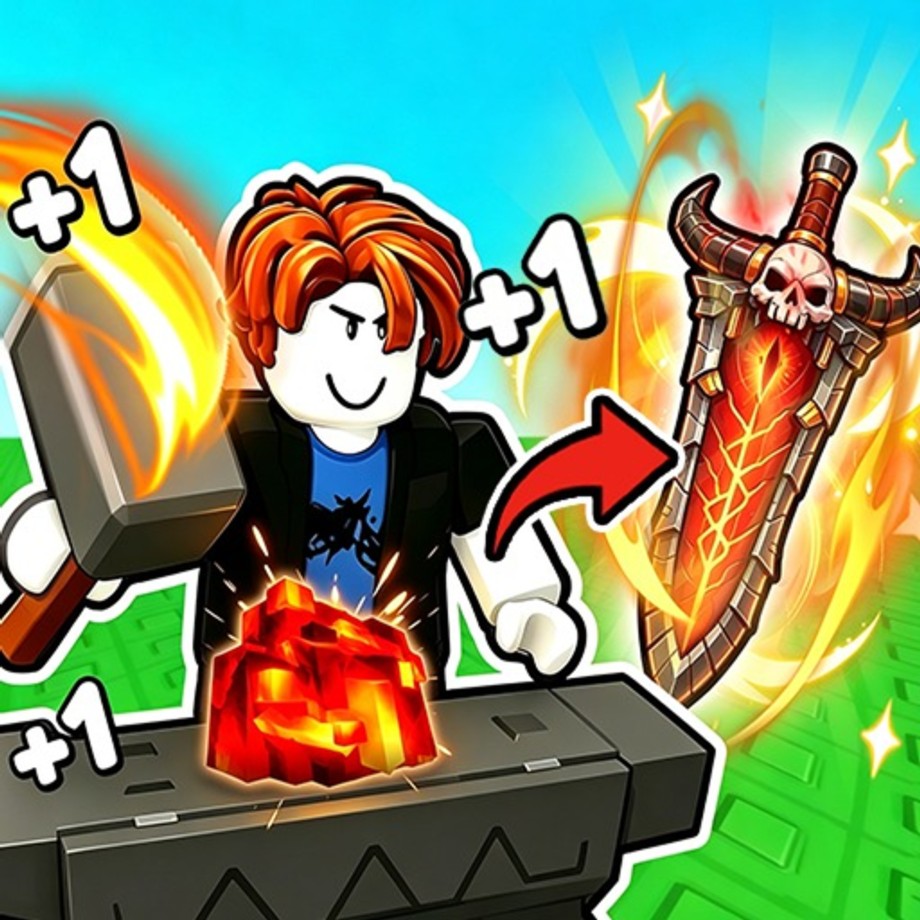
Classes in +1 Loot To Forge center on the weapon type you forge and how you invest materials over time. Unlike traditional RPGs with locked class trees, this game ties your identity to the blade you craft and the skill that comes from it. Understanding class paths early prevents the expensive mistake of splitting materials between unfinished weapon experiments while your dungeon clear speed stalls.
If you still need the core loop and forge basics, open getting started and how to forge first. Come back here when you are ready to commit to a main weapon identity and want to know which direction to push your forge materials.
How class paths work in +1 Loot To Forge
There are no character creation screens or skill point分配的. Your class identity emerges from three choices you make repeatedly:
- Which weapon type you forge repeatedly — Katana or Greatsword.
- What materials you feed into that weapon — which influences the skill you receive.
- How you distribute armor investment — whether both slots support your blade or you lean one direction.
The game does not lock you into a path, but switching costs ores and time. Players who commit to one weapon type early clear stages faster than players who alternate between Katana and Greatsword every three crafts.
Katana — speed and skill uptime
Katana is the faster of the two weapon paths. Faster attack cadence means more Q skill activations per minute, smoother dungeon clears when packs are vulnerable, and a playstyle that rewards active movement and timing.
Katana players tend to prefer:
- Consistent DPS over burst damage
- Active engagement with positioning and skill timing
- Clear speed on stages where enemies die in two to four hits
- A steady forge progression without gambling on heavy swing cooldowns
Katana skills in +1 Loot To Forge come from the material combination you use at the forge. Different material tiers and types produce different Q skill variants. Read the skill tooltip after every craft so you know whether your current Katana build rewards frequent Q presses or conserves the button for elite encounters.
Greatsword — chunk damage and simpler clears
Greatsword is the heavier weapon path. Slower swings mean each hit deals more damage, which helps against stage walls where Katana players find themselves needing six or eight hits per pack.
Greatsword players tend to prefer:
- Burst damage on tough packs and boss gates
- Simpler input rhythm while training or farming
- Power walls that demand more than four hits from a Katana
- Trading skill frequency for per-hit impact
Greatsword skill variants also come from material choices at the forge. The same tooltip rule applies: read every new Q skill after a craft and test it before committing a full bag to a difficult stage.
When to commit to a main class
The practical time to pick a main weapon path is when you have already forged your first Rare or Epic piece. At that point you have felt the cadence of both types and can judge which aligns with your session goals.
Commit when:
- You have cleared five or more stages with one weapon type and prefer the rhythm
- Your forge materials consistently go toward one weapon path anyway
- Your current dungeon stage demands more Power than style
- You are preparing for Frost Tower or boss gates that reward committed builds
Hold off on commitment when:
- You are still in the first ten stages and materials are abundant
- Your bag and enchant economy are not stable yet
- You have not felt a meaningful Power wall from either type
Class builds and material priorities
Once you pick a main class, align your forge economy with it:
- Prioritize ores for your weapon type — every surplus ore that does not match your main class is a sell candidate or a low-priority craft.
- Keep armor slots filled — both helmet and armor contribute Power that amplifies whatever your blade does. Do not treat armor as optional even when you are deep into a weapon crafting path.
- Enchant your main weapon — Coins spent on the blade you actually use outperform Coins split across a backup weapon you rarely equip.
- Set a rarity floor — decide whether Common, Rare, Epic, or Legendary is your current target, and do not forge below that floor unless materials are truly abundant.
Common class mistakes
- Alternating weapon types — splitting materials between Katana and Greatsword creates two mediocre blades instead of one strong identity.
- Ignoring armor slots — empty helmet or armor is a Power leak that makes every weapon craft feel weaker than the numbers suggest.
- Forging without a skill plan — materials determine your Q skill as much as the blade type. Know what skill you are chasing before you spend rare ores.
- Committing too early — picking a main class before understanding the cadence can lock you into a playstyle that does not match your goals.
Class flexibility after Rebirth
Rebirth resets Power but not your forge knowledge or material stash. After a Rebirth, you can:
- Keep forging your committed weapon type with the same material priorities
- Use the permanent multipliers to recover Power faster
- Push toward the next rarity tier now that Coin income improved
- Test whether the other weapon type feels different under better training dummies
Rebirth does not force you to respec. Your class identity is in the forge plan, not the Power number.
Related pages
- How to forge — material prioritization and rarity climbing
- Weapon tier list — Katana vs Greatsword rankings
- Armor tier list — why both slots matter for any class build
- Enchant and upgrades — Coin spending aligned with your main class
- Progression tips — mid-game session planning for committed builds
Pick a weapon, commit to the forge path, fill your armor slots, and let the dungeon tell you whether the choice was right.
Frequently Asked Questions
Quick answers to the most common Loot To Forge questions.
How do classes work in +1 Loot To Forge?
Class identity comes from your weapon type (Katana or Greatsword), the materials you forge with, and how you distribute armor investment. There are no locked class trees—just repeated forge choices that build a playstyle.
Should I pick Katana or Greatsword?
Katana favors speed and skill uptime; Greatsword favors burst damage and simpler clears. Commit when you have felt both and prefer one cadence over the other.
Can I switch weapon types later?
Yes, but switching costs materials and time. Players who commit early to one type progress faster than those who alternate between both paths.
Do skills change when I forge?
Yes. Q skills depend on weapon type and the materials used in the craft. Read the tooltip after every forge and test the new skill before a serious dungeon push.
Should I focus on weapon or armor for my class build?
Both slots matter. Weapon is your primary Power source; armor fills the second Power slot and amplifies whatever your blade does. Keep both filled as you commit to a main class.