How to Forge in +1 Loot To Forge
Turn dungeon ores into Katana or Greatsword loadouts, armor rolls, and rarity upgrades that actually clear stages.
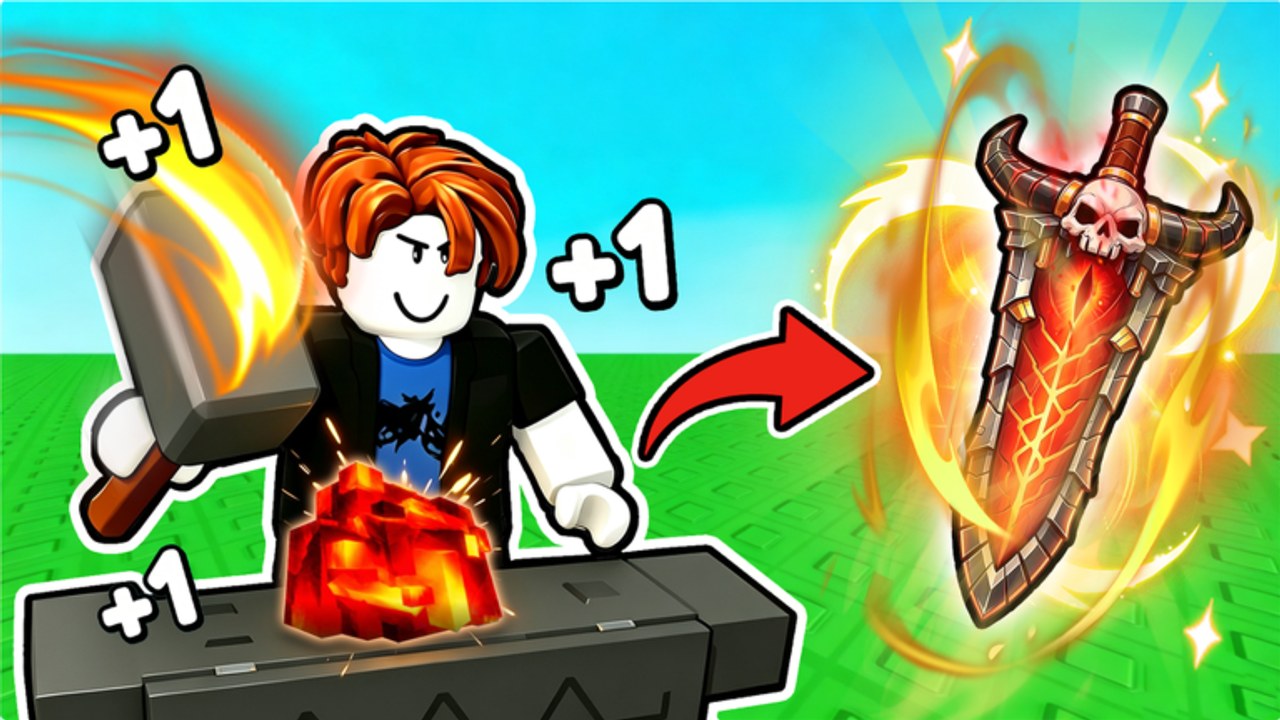
Forging is the identity of +1 Loot To Forge. Training Power gets you into the dungeon, but the forge turns raw ores into weapons, skills, and armor that decide how far those runs go. This page explains where to forge, why early ores should usually become gear instead of Coins, how Katana and Greatsword differ in practice, what rarity tiers mean, and how armor RNG fits the same progression loop as Rebirth and backpack upgrades.
If you are brand new, skim getting started first so you know the hub loop. Then return here whenever you are staring at a full bag of ores and wondering whether to sell or craft.
Finding the forge and preparing materials
The forge sits in the central hub. Interact with E once you are close enough. Before you open the menu, empty enough backpack space and sort what you carried out of the dungeon. Ores and loot from linear stages are the fuel for every craft. Without materials, the forge is just a pretty station.
A strong habit is to leave the dungeon when the bag is full of forge-relevant ores rather than when you are bored. Capacity upgrades on the enchant and upgrades page make each trip more valuable, but even early bags should prioritize materials you intend to craft. Selling everything for Coins feels productive for thirty seconds and then leaves you under-geared for the next stage.
Prefer forging ores over selling them during the early and mid climb. Coins still matter for enchants and backpack tiers, so sell true surplus after you have a weapon and armor piece that keep kills near the four-hit comfort zone described in the dungeon guide.
Weapons: Katana vs Greatsword
Weapon crafting asks you to commit to a type and feed materials into that recipe path. Katana and Greatsword are the core identities players compare. Neither is a trap if your Power, rarity, and materials are aligned; the mistake is hopping between unfinished crafts while your dungeon clear power stagnates.
Skills are not a separate gacha disconnected from the blade. They come from the pairing of weapon type and the materials you invest. That means your forge plan is also your skill plan. When you chase a specific play feel, lock the type first, then push materials and rarity instead of resetting every time a skill name looks unfamiliar.
Use the forge to solve a concrete dungeon problem. If early packs take too many hits, you need a stronger weapon Power contribution now, not a speculative late recipe. If you already one-shot early rooms but stall deeper, invest in higher rarity and better materials rather than another marginal Common craft. Cross-check community rankings on the tier list after you understand the base types, not before you have forged anything.
Rarity ladder: Common to Legendary
Rarity climbs Common, Rare, Epic, and Legendary. Higher rarity is the visible upgrade path players feel when a new sword suddenly melts a stage that felt sticky. Treat rarity as a progression milestone tied to the ores you can reliably farm, not as a vanity label.
Early on, a solid Rare that you can actually equip beats hoarding materials for a Legendary you cannot finish. As Rebirth bonuses raise Power gain rate and Coin income, your ability to farm rarer ores improves, and the forge ceiling rises with it. That is why forge progress and the rebirth guide belong in the same mental model: permanent multipliers make ambitious crafts realistic.
When a craft succeeds, equip it immediately and test in the dungeon. Numbers on the forge screen matter less than whether stage clears drop under your retreat threshold. If the new weapon still needs more than about four hits per kill on your target stage, either train Power, Rebirth if you are at 100%, or plan the next rarity bump.
Armor tab and RNG outcomes
Armor crafting uses a dedicated tab and includes RNG between helmet and armor results. That randomness frustrates players who expect a guaranteed slot every time, but the Power boosts from successful armor pieces are worth the rolls. Armor is not cosmetic filler; it is another Power lever beside weapons and training.
Budget some materials for armor even when the sword tab is more exciting. A helmet or armor piece that adds Power can stabilize a stage while you save for the next weapon rarity. If a roll misses the slot you wanted, keep the useful piece, sell or scrap what you truly do not need, and feed surplus into Coins for enchants rather than rage-selling your entire ore stash.
Because armor results vary, backpack space again matters. You need room to carry ores in and finished pieces out. Players who skip capacity upgrades bounce between full bags and incomplete forge plans. Fix that on the upgrades page, then return to rolling armor with intention.
Forge economy: ores, Coins, and enchants
Think of three sinks after every dungeon:
- Materials into weapons for damage identity and skills.
- Materials into armor for Power boosts and slot coverage.
- Surplus into Coins for enchants and backpack upgrades.
The correct mix shifts over time. Brand new characters should bias hard toward weapons, then armor, with only light selling. Mid progression characters can sell more duplicates once a Rare or Epic loadout is online. Late pushes still forge first when a Legendary craft is realistic, because raw Coin piles do not clear Frost Tower by themselves.
Enchanting spends Coins to improve gear you already forged. Do not enchant junk you are about to replace in five minutes, but do enchant a weapon or armor piece you expect to main through several stages. Details live in enchant and upgrades.
Practical forge session routine
- Check Rebirth. If you are at 100%, reset before a long craft session so training afterward benefits from new gain rate.
- Enter the dungeon with empty bag space and clear until full of useful ores.
- Return to the hub forge with E and craft the weapon type you committed to.
- Spend a slice of materials on the armor tab for Power boosts.
- Sell only leftover surplus for Coins.
- Enchant the gear you will keep, upgrade backpack if you were capped, then re-enter.
This routine pairs cleanly with hub training controls on the controls page and with promo rewards from codes when free materials or Coins appear. Watch updates after patches in case forge costs or drop tables shift, and browse players for community craft priorities.
Common forging mistakes
Selling every ore on sight is the biggest early error. The second is ignoring armor because weapon damage looks more dramatic. The third is delaying Rebirth to finish one more craft while the Rebirth bar sits at 100%—you are paying opportunity cost in permanent Power gain rate. The fourth is crafting with a full bag and no plan, then dropping better ores because you cannot pick them up.
Avoid those four and forging becomes the accelerator it is meant to be. Dungeon loot exists to be smelted into stronger identities, not to sit as clutter. Keep Katana or Greatsword progression coherent, roll armor for Power, climb Common through Legendary as your ore income allows, and let Rebirth multipliers fund the next craft tier.
For the full beginner path, return to getting started. For stage pacing while you test a new blade, use the dungeon guide. For scripts and automation talk, see scripts and understand Roblox risk before experimenting. Forge with a goal, measure it in clearer stages, and the rest of +1 Loot To Forge opens up.
Frequently Asked Questions
Quick answers to the most common Loot To Forge questions.
Where do I forge in +1 Loot To Forge?
Use the forge in the hub. Walk up and press E to interact, then spend ores collected from dungeon stages on weapons or the armor tab.
Should I forge ores or sell them?
Forge first, especially early. Selling surplus for Coins is fine after you have a usable weapon and armor, because Coins buy enchants and backpack upgrades.
What is the difference between Katana and Greatsword?
Both are core weapon types. Skills come from type plus materials, so pick one identity, invest materials and rarity, and judge success by dungeon clear speed rather than swapping endlessly.
How does armor forging work?
The armor tab includes RNG between helmet and armor results. Successful pieces grant Power boosts, so budget materials for armor instead of spending everything on weapons.
What rarities exist for forged gear?
Gear climbs Common, Rare, Epic, and Legendary. Push rarity as your ore income and Rebirth bonuses allow, but equip strong mid-tier crafts instead of hoarding forever.