Loot To Forge Enchant and Upgrades
Spend Coins on enchants and backpack upgrades that make every dungeon trip and forge session worth more.
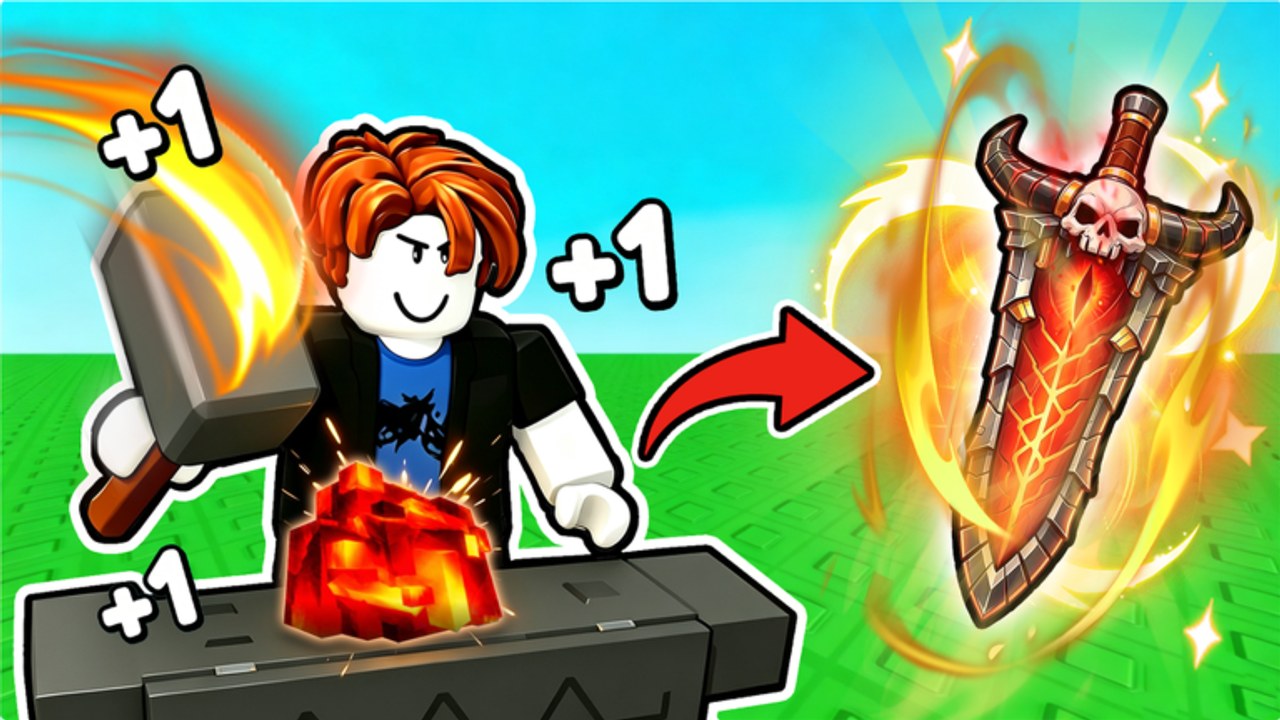
Coins in +1 Loot To Forge are not just a score counter. They buy enchants that strengthen the gear you already forged and backpack upgrades that raise how much ore you extract per dungeon run. Players who only stare at weapon rarity while ignoring Coin sinks often stall with full bags, weak enhancements, and slower Rebirth cycles. This guide explains how to earn Coins without gutting your forge plan, when to enchant, how to prioritize backpack tiers, and how upgrades connect to Power training and prestige.
Read how to forge first if you still sell every ore on sight. Enchanting a loadout only matters if that loadout exists. For the full beginner path, keep getting started nearby.
Where Coins come from
The reliable Coin faucet is surplus loot. You clear linear dungeon stages, auto-attack packs, fill the bag, forge what you need for weapons and armor, then sell the rest. Prefer forging ores over selling them early—especially before you own a comfortable Rare or better setup—because damage unlocks better stages and better stages fund more Coins later.
Rebirth adds permanent Coin earning bonuses, which is why prestige timing belongs in the same conversation as upgrades. Hitting Rebirth at 100% improves how fast Coin sinks become affordable. Delaying Rebirth to overtrain temporary Power slows both Power gain rate and the Coin engine that pays for enchants and bags. See the rebirth guide for the ASAP-at-100% rule.
Promo rewards on the codes page can occasionally inject free resources. Treat codes as a bonus top-up, not as your primary economy.
Enchanting gear with Coins
Enchanting spends Coins to improve equipment you plan to keep using. The correct target is your current main weapon and the armor pieces that already contribute Power boosts. Enchanting junk you will replace after one craft wastes the sink. Enchanting a Katana or Greatsword that clears your target stages efficiently compounds with rarity and materials.
A simple enchant rule: if the piece will still be equipped after your next dungeon session and your next forge attempt is not an immediate replacement, it is eligible. If you are one ore stack away from a clearly better rarity craft, save Coins for the backpack or wait and enchant the upgrade instead.
Enchants shine when you are near a difficulty cliff—packs drifting toward more than four hits per kill. A bit more effective power from enchanted gear can restore the comfortable clear speed described in the dungeon guide without forcing a panic retreat from content you nearly handle.
Backpack upgrades are damage in disguise
Bag capacity looks like inventory quality of life, but it is a progression multiplier. Larger bags mean more ores per run, which means faster weapon and armor crafts, which means higher Power contribution, which means deeper stages and more surplus to sell. Players with strong swords and tiny bags live on a treadmill of short extracts.
Upgrade the backpack when you regularly end runs at capacity before you want to leave, when you start leaving forge materials on the floor, or when Frost Tower attempts feel unrewarding because you cannot carry the haul. Those are economy signals, not vanity purchases.
After a capacity upgrade, immediately change your dungeon habit: stay longer in stages you clear cleanly and leave with a truly full bag of forge-first materials. Then craft, sell surplus, and consider the next enchant.
Spending priority after a typical run
Use this order when Coins and materials compete for attention:
- Forge required ores into weapons or armor Power pieces.
- Upgrade backpack if capacity blocked the last run.
- Enchant the gear you will main through the next several stages.
- Sell remaining surplus to refill Coins.
- Check Rebirth; if you are at 100%, prestige before another long upgrade grind.
This order keeps damage and carry weight ahead of cosmetic Coin flexing. It also prevents the classic mistake of enchanting a Common placeholder right before a Rare craft lands.
Pairing upgrades with training and controls
Upgrades do not replace Power training. After enchanting or expanding the bag, return to hub training with LMB or the auto-training area until dungeon packs die quickly again. Movement and interact keys stay the same: WASD to stations, E to open forge and upgrade UIs, Q for skills in the dungeon. Refresh the controls page if you are still mixing hub clicking with dungeon auto-attack.
When a new enchant still leaves you above the four-hit retreat threshold on your goal stage, you need more Power, a better forge rarity, or a Rebirth cycle—not infinite Coin dumping into the wrong item.
Mid-game and Frost Tower planning
As you approach harder segments and Frost Tower, Coin planning tightens. You want enchanted high-rarity gear and enough bag space to make Tower trips worthwhile. Farm the highest stage you clear efficiently, convert ores through the forge first, then spend Coins on the sink that removes your current bottleneck. If clears are slow, enchant or craft. If clears are fine but extracts are tiny, upgrade the backpack. If both are fine but growth feels sluggish, you are probably sitting on a 100% Rebirth.
Armor RNG on the forge tab still matters here. Enchant the helmet or armor piece that actually raised your Power, not a leftover roll you never equip. Weapon identity comparisons on the tier list help once your Coin sinks are supporting a committed type.
Common upgrade mistakes
- Selling every ore for Coins and never forging, which starves damage.
- Enchanting gear you are about to replace.
- Ignoring backpack size until every run is a truncated mess.
- Hoarding Coins through a 100% Rebirth instead of banking permanent Coin bonuses.
- Pushing Frost Tower with empty upgrade slots and a full bag of regret.
Avoid those and Coins become a clean accelerator beside Power and rarity.
Session checklist for enchants and upgrades
- Finish a dungeon run with forge-relevant ores.
- Craft at the hub with E; keep surplus for selling.
- Buy the next backpack tier if you were capacity gated.
- Enchant the weapon and armor you will keep.
- Train Power, test clear speed, retreat if hits exceed ~4.
- Rebirth at 100% and repeat under better Coin income.
Stay current
Watch updates when costs or systems change. Browse players for community spending priorities. Use scripts only with full awareness of Roblox safety risks—Coin efficiency does not require unsafe tools. Return to getting started whenever a friend joins and needs the loop in one page.
Enchant with intention, upgrade capacity on purpose, and let Rebirth Coin bonuses make each sink cheaper over time. That is how +1 Loot To Forge turns spare loot into permanent momentum instead of a cluttered inventory.
Frequently Asked Questions
Quick answers to the most common Loot To Forge questions.
What should I spend Coins on first?
After forging the ores you need, upgrade backpack space if you are capacity gated, then enchant the weapon and armor you will keep using for upcoming stages.
Should I sell ores to afford enchants?
Sell surplus after forging. Early on, crafting better gear usually helps more than emptying your entire material stash for a quick enchant.
Why upgrade the backpack?
Larger bags let you carry more ores and loot per dungeon run, which speeds forging, selling, and overall progression—including Frost Tower trips.
When should I enchant my weapon?
Enchant gear you expect to keep through multiple runs. Skip enchants on placeholders you will replace with the next rarity craft immediately.
How does Rebirth affect upgrades?
Rebirth grants permanent Coin bonuses and Power gain rate. Resetting at 100% makes future enchants and backpack upgrades easier to fund.